TESTING
Radon Testing in Columbia, MO
You cannot see, smell, or taste radon. The only way to know your level is to test. Here is how testing works and what to expect.
WHY TEST
Radon is invisible—testing is the only way to know
Radon is a naturally occurring radioactive gas that comes from the breakdown of uranium in soil, rock, and water. It can enter homes through cracks in the foundation, gaps around pipes, and other openings.
Missouri DHSS reports that radon is present in every Missouri county, and that one in three homes tested through its residential testing program had results above the recommended action level. Testing is simple, inexpensive, and the only way to know whether your home has elevated radon.
The EPA and Missouri DHSS recommend action when a confirmed result is at or above 4.0 pCi/L. If your result is elevated, a radon mitigation system can reduce the level in your home.
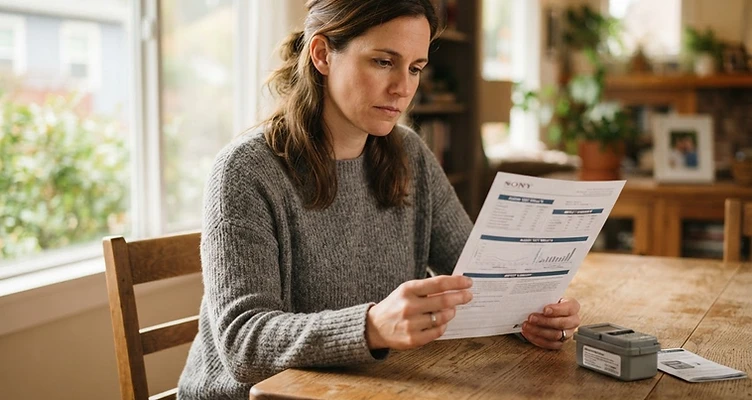
TEST TYPES
Short-term vs. long-term tests
Both types of tests measure radon in picocuries per liter (pCi/L). The right choice depends on your timeline and purpose.
Short-term tests
Measure radon over 2 to 7 days. Good for a quick result, especially during a real-estate transaction or when you need an answer fast. Radon levels fluctuate day to day, so a short-term test gives a snapshot rather than a year-round average.
Best for: initial screening, real-estate transactions, and confirming a mitigation system is working.
Long-term tests
Measure radon over 90 days or more. Because radon varies with seasons and weather, a long-term test gives a more accurate picture of your year-round average exposure.
Best for: follow-up confirmation after a borderline short-term result, and for understanding your everyday exposure.
HOW TO TEST
Closed-building conditions
For an accurate short-term test, your home should be kept under closed-building conditions for at least 12 hours before the test and throughout the test period.
Free Missouri radon test kit
Missouri residents may request one free short-term radon test kit per household while supplies last through the Missouri DHSS.
Columbia Radon Guide does not distribute test kits. Requests are fulfilled directly by the Missouri Department of Health and Senior Services, subject to availability.
Request from Missouri DHSSLegal-transaction testing
Missouri recommends that testing for a real-estate transaction be performed by a professional using a continuous radon monitor, rather than a DIY kit. This ensures the test follows proper protocols and the result is accepted during negotiations.
WHEN TO TEST
When should you test or retest?
Radon levels can change over time. Here are the key moments to test or retest your home.
Before buying a home
Test during the inspection period, or request that the seller provide a recent professional test result.
If you have never tested
Every home should be tested at least once, regardless of foundation type or neighborhood.
After major renovations
Changes to your home's foundation, HVAC system, or additions can affect radon entry. Retest after significant changes.
Every two years
Missouri DHSS recommends retesting every two years to confirm your radon level remains low, even with a mitigation system.
After installing a mitigation system
Conduct a post-mitigation test 24 hours to 30 days after installation to confirm the system is working.
Seasonally
Radon levels are often higher in winter when homes are sealed. A long-term test captures seasonal variation.
READY TO TEST?
Request a radon test or quote
Whether you need a test or have a result you want to discuss, a local radon professional can help you find the right next step.